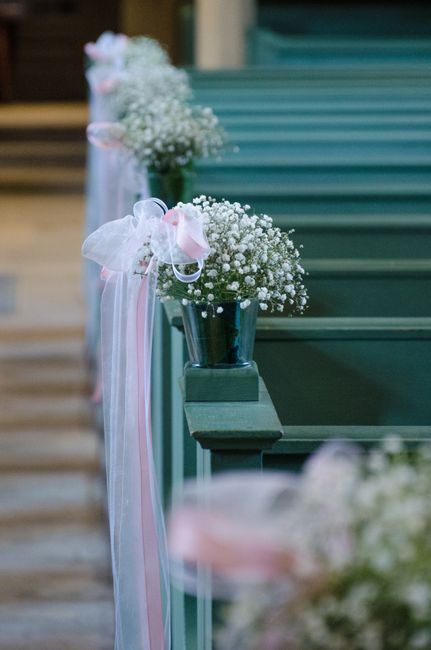
Wedding flowers at Batchworth Lock and St Marys venue spots
Posted on 12/10/2026
If you are planning Wedding flowers at Batchworth Lock and St Marys venue spots, you are probably trying to do three things at once: make the venue feel special, keep the design coherent, and avoid a last-minute scramble over blooms, timing, and budgets. Fair enough. That's exactly where a thoughtful flower plan makes all the difference.
Batchworth Lock has that calm waterside character, while St Marys venue spots tend to feel more traditional, intimate, and ceremony-focused. Put the two together and you get a lovely mix of natural backdrop and elegant indoor settings. The flowers should work with that atmosphere, not fight it. In this guide, you will find practical advice on choosing arrangements, matching colours, planning deliveries, and deciding what is worth spending on when the day starts moving quickly.
Whether you are after a simple, romantic look or a fuller wedding styling scheme, the goal is the same: flowers that feel personal, hold up well on the day, and photograph beautifully without looking overdone.
Expert summary: Start with the venue mood, then build your floral choices around light, space, season, and guest flow. That one order of operations saves a lot of stress later. Really, a lot.
Table of Contents
- Why Wedding flowers at Batchworth Lock and St Marys venue spots Matters
- How Wedding flowers at Batchworth Lock and St Marys venue spots Works
- Key Benefits and Practical Advantages
- Who This Is For and When It Makes Sense
- Step-by-Step Guidance
- Expert Tips for Better Results
- Common Mistakes to Avoid
- Tools, Resources and Recommendations
- Law, Compliance, Standards, or Best Practice
- Options, Methods, or Comparison Table
- Case Study or Real-World Example
- Practical Checklist
- Conclusion
- Frequently Asked Questions
Why Wedding flowers at Batchworth Lock and St Marys venue spots Matters
Flowers are not just decoration at a wedding. They shape the first impression, guide the eye, soften the room, and help the whole day feel intentional. At waterside and heritage-style venue spots, that matters even more because the setting already has character. You do not need to flood the space with flowers. You need to place the right flowers in the right places.
At Batchworth Lock, there is often a natural openness to work with: water reflections, paths, railings, greenery, and the movement of guests arriving outdoors. That sort of setting suits arrangements that feel fresh, airy, and slightly loose rather than overly rigid. St Marys venue spots, by contrast, often reward symmetry, calm colour palettes, and carefully balanced ceremonial flowers that frame a ceremony area without crowding it.
That is the practical reason floral planning matters. The venue itself is already doing part of the work. Your job is to enhance the story, not distract from it.
Key point: good wedding flowers do not just look nice in close-up photos; they also make the space easier to move through, easier to photograph, and easier to remember. Guests may not name the arrangement styles, but they will feel the atmosphere immediately.
There is also a trust element here. Couples often arrive with mood boards full of beautiful images, but not every floral idea translates well to a narrow aisle, a shaded corner, or a bright room with reflective surfaces. A venue-aware florist helps bridge that gap. That's especially useful around Batchworth Lock and St Marys venue spots, where lighting, weather, and guest movement can change the look of flowers quite a bit throughout the day.
How Wedding flowers at Batchworth Lock and St Marys venue spots Works
The process usually starts with the venue layout, then moves into floral priorities, then finishes with logistics. In plain English: where are the flowers going, what job are they doing, and when do they need to be there?
For a wedding near Batchworth Lock, a florist will often think about outdoor exposure first. Breezes, sun, shade, and transport all affect the final result. For St Marys venue spots, the question is often more about ceremony structure, aisle width, altar placement, and how flowers will look from different angles during readings, vows, and photos.
Most couples end up needing a combination of these elements:
- Bridal bouquet for the main bridal look and portraits
- Bridesmaid bouquets to echo the colour story without competing
- Buttonholes for the groom and wedding party
- Ceremony flowers for entrance, aisle, registrar table, or altar area
- Table arrangements for the reception or dining space
- Optional extras like corsages, petals, or floral gifts
If you want a ready-made starting point, the wedding range on the site can help you think in collections rather than isolated items. A cohesive set such as the weddings collection is useful when you want the ceremony and reception flowers to feel connected. From there, you can narrow the look with specific pieces like the i cherish you bridal bouquet or the matching bridesmaid bouquet.
For many couples, the workflow is simple but easy to get wrong if rushed: choose the palette, confirm the bouquet shapes, decide where focal flowers go, and check whether the venue offers any restrictions on candles, water vessels, or setup access. Then do the practical bit. Delivery windows matter. So does storage. Flowers do not enjoy sitting in a hot car any more than people do.
You will also want to consider whether the flowers are mainly for ceremony impact, reception styling, or photography. That decision changes everything. A bouquet meant to be seen in full sun near the lock needs more resilience than one designed for an indoor church-style ceremony.
Key Benefits and Practical Advantages
The right floral plan brings both visual and practical benefits. Some are obvious. Some only become obvious on the day, when everyone is moving fast and the photographer is asking for one more angle.
- Venue harmony: flowers can complement the water, stone, brick, wood, or formal interiors rather than clashing with them.
- Better photos: a well-shaped bouquet or centrepiece gives the camera something elegant to anchor on.
- Clearer ceremony focus: flowers help define key areas, so guests know where to look.
- Personal expression: colour, scent, and flower choice can reflect season, style, heritage, or family meaning.
- Smoother guest experience: arrangements can guide flow without blocking paths or sightlines.
- Flexible budgeting: you can spend more on a few focal pieces and keep the rest simple.
For example, a couple choosing wedding flowers for a smaller St Marys ceremony may invest in a strong bridal bouquet, a pair of pedestal-style entrance arrangements, and modest table flowers. Another couple at Batchworth Lock may do the reverse: lighter ceremony flowers, but fuller table styling for an evening reception. Both approaches can work. The best one depends on where people spend the most time.
There is also an emotional benefit, if we are being honest. Flowers can make a venue feel cared for. That quiet sense of effort, that little lift when guests walk in and say "oh, this is lovely", does not happen by accident.
Who This Is For and When It Makes Sense
This topic matters for anyone planning a wedding in or around Rickmansworth who wants flowers tailored to the venue rather than chosen from a generic catalogue. It is especially relevant if you are working with a waterside ceremony, a church or heritage-style spot, or a venue that has a strong natural setting already built in.
It makes sense if you are:
- planning a small to medium wedding and want a polished but not excessive look
- trying to match flowers to a specific theme, such as classic white, soft blush, or mixed seasonal colour
- working to a fixed budget and need to prioritise key floral moments
- hosting both ceremony and reception in different parts of the venue
- trying to reduce setup stress by using a florist who understands local delivery timing and venue access
It may also be useful if you are the person coordinating the day rather than the couple themselves. Quite often, a parent, bridesmaid, or planner ends up making the final calls. In that case, clear decision rules help a lot: bouquet first, ceremony second, table flowers third. That order is surprisingly effective.
And if you are unsure whether to go big or keep things light, think about the venue's own personality. Batchworth Lock is scenic and open. St Marys venue spots tend to feel more settled and formal. That difference should guide the floral structure. Let the place do some of the talking.
Step-by-Step Guidance
Here is a practical way to approach wedding flowers without getting buried in options.
- Start with the venue layout. Walk the space if you can, or review photos from different angles. Note where people enter, where they stand, and where photos will be taken.
- Choose your overall style. Decide whether you want classic, romantic, modern, wild, seasonal, or a more luxurious floral feel.
- Pick a colour direction. Keep it to a controlled palette. Two or three main tones usually look better than a crowded mix.
- Select the key floral pieces. Prioritise the bridal bouquet, ceremony focal flowers, buttonholes, and tables. Add extras only if they genuinely improve the day.
- Match flower varieties to the setting. Roses, lisianthus, orchids, and lilies can all work beautifully, but the shape and durability should suit the venue conditions.
- Confirm practical details. Check delivery timings, setup access, and where arrangements will be stored before use.
- Review the final plan in context. Ask how everything will look at the actual venue, not just in a showroom or online picture.
When couples want a more coordinated look, the wedding collections can save time. A bouquet such as the the perfect match bridal bouquet paired with a matching bridesmaid bouquet can make the whole style feel cleaner and more deliberate. Likewise, the royal essence wedding collection is a good example of a coordinated approach for couples who want elegance without having to piece every item together from scratch.
One small but important tip: ask how the arrangements will be delivered and set down. A bouquet can be perfect, but if the ceremony flowers arrive after guests are seated, the whole rhythm of the morning gets thrown. Weddings have enough moving parts already, truth be told.
Expert Tips for Better Results
The better wedding floral results usually come from practical decisions, not flashy ones.
1. Build around the strongest viewing points. If the ceremony backdrop is what people will see first, invest there. If the reception tables dominate the day, make them count.
2. Choose flowers that photograph well in mixed light. Waterside venues and indoor ceremony spots can have very different lighting. Pale flowers can glow beautifully, but very light tones can also disappear in bright sun unless they have texture or greenery.
3. Use shape as much as colour. A rounded bouquet, a cascading bouquet, and a loose garden-style design all give different emotional effects, even in similar colours.
4. Be careful with scent. Some strongly fragrant flowers are lovely in moderation, but too much scent in a smaller indoor space can become overpowering.
5. Think about movement. If bridesmaids need to carry bouquets for a long ceremony or walk between locations, keep the size comfortable. Beautiful is great. Comfortable is better.
6. Keep a backup plan for weather. At Batchworth Lock, you may have outdoor elements to consider. Wind and warmth can change a display quicker than people expect.
There is a reason experienced florists often suggest a few resilient staple flowers mixed with a couple of feature blooms. It gives you structure, longevity, and a nicer look when things warm up later in the day. A good mix can feel effortless, even though it absolutely wasn't.
For colour direction, soft whites, blush pinks, lilacs, and mixed pastels are popular because they sit well in both bright and shaded settings. If you want a richer look, deeper reds, purples, and mixed jewel tones can feel very dramatic against stone, greenery, or water. The venue should guide the palette, not the other way around.
Common Mistakes to Avoid
Most floral problems at weddings are not dramatic disasters. They are smaller issues that add up: too much volume, awkward timing, flowers that do not suit the room, or a palette that looked beautiful on screen but a bit flat in the venue.
- Choosing too many statement flowers. One or two focal pieces are usually stronger than five competing highlights.
- Ignoring the venue's natural style. A heavy floral design can overwhelm a calm waterside or formal ceremony space.
- Forgetting the practical route. Where will flowers be stored, carried, or moved after the ceremony?
- Underestimating setup time. Arrangements often need more coordination than couples expect.
- Overcrowding tables. Guests need to see each other and reach the food, after all.
- Not checking flower seasonality. Seasonal choices are often fresher, better value, and easier to source.
A surprisingly common issue is mismatch between bouquet size and dress style. A very structured gown may look best with a clean bouquet shape. A softer dress can take a looser, more natural arrangement. If you get the balance wrong, the flowers do not look bad exactly, they just feel slightly out of sync. And that can be enough.
Another common slip is assuming the same flowers will suit all parts of the day. Ceremony flowers and table flowers have different jobs. They should not always be identical. Related, yes. Identical, no.
Tools, Resources and Recommendations
You do not need a complicated toolkit to plan wedding flowers well, but a few practical resources make a big difference.
- Venue photos: use images of the actual Batchworth Lock or St Marys setting to test scale and colour ideas.
- Colour swatches: keep physical or digital colour references so your florist can compare tones accurately.
- Guest layout: knowing where the aisle, tables, and entrances sit makes floral planning much easier.
- Seasonal inspiration: seasonal flowers often create a more natural, rooted look.
- Order notes: write down bouquet sizes, flower preferences, delivery times, and any no-go items.
If you want to browse specific wedding-friendly pieces, the site offers a wide range of focused options. For example, the wedding table arrangements can help with reception styling, while the wedding buttonholes are useful for keeping the wedding party coordinated without adding clutter. For bridal and bridesmaid styling, the bridal bouquets and bridesmaid bouquets pages make it easier to compare options side by side.
If you are trying to keep the look refined, the white wonders wedding collection is worth a look. If you want something a little warmer and more romantic, the pure romance wedding collection may be a better fit. Different names, same basic goal: make the style coherent.
Law, Compliance, Standards, or Best Practice
Wedding flower planning is not heavily regulated in the way some industries are, but there are still sensible standards and venue expectations to respect. The most important one is simple: follow the venue's rules. That may include limits on open flames, restrictions on attaching items to walls or furniture, access windows for suppliers, or requirements for clearing away arrangements after the event.
If you are using floral foam, wires, stands, or water vessels, the florist should handle these safely and cleanly. Public venues and ceremony spaces typically expect no mess left behind. That is just good practice, really. Nobody wants wet stems, fallen petals, or a blocked walkway underfoot during the speeches.
There is also a customer care side to best practice. Good floristry should come with clear descriptions of what is included, what is seasonal, and what can be adjusted. If a variety is unavailable, a sensible florist will usually suggest a suitable substitution rather than forcing the design into something awkward. That honesty matters.
On the practical side, check payment terms, delivery expectations, and any refund or substitution policies before you confirm. The site's general terms and conditions, returns and refund, delivery, and guarantees pages are useful for understanding how orders are handled. If you care about sourcing and long-term responsibility, the sustainability page is also worth a look.
One last thing: if the venue is a church or a heritage-style ceremony space, it is wise to ask where arrangements may be placed and whether anything needs removing immediately after the service. That avoids awkward phone calls later. Which, let's face it, no one wants on a wedding morning.
Options, Methods, or Comparison Table
There is no single best wedding flower method. The right choice depends on your venue, budget, and how much visual impact you want. Here is a simple comparison that helps couples decide.
| Approach | Best for | Strengths | Watch-outs |
|---|---|---|---|
| Minimal floral styling | Intimate ceremonies and tight budgets | Clean, elegant, low fuss | Can look sparse if the venue space is large |
| Balanced venue styling | Most weddings | Good visual coverage without overdoing it | Needs careful prioritising so it does not feel patchy |
| Luxury statement florals | High-impact receptions and feature-driven design | Big visual presence, strong photos | Higher cost, more logistics, more setup time |
| Seasonal natural look | Couples who want softness and freshness | Feels relaxed, organic, and venue-friendly | Requires a florist comfortable with seasonal variation |
For Batchworth Lock and St Marys venue spots, the balanced and seasonal approaches tend to work especially well because they complement the setting rather than competing with it. If the space already has charm, you do not need to shout. A confident whisper is often enough.
Case Study or Real-World Example
Imagine a couple planning a late-spring wedding with a ceremony near Batchworth Lock and a reception in a St Marys venue spot nearby. They want the day to feel romantic, natural, and elegant, but not over-styled. Their first instinct is to choose large, dramatic arrangements everywhere. Then they visit the venue again and realise something important: the setting itself is doing a lot already.
So they change tack. They choose a soft white and blush palette, use a fuller bridal bouquet, keep bridesmaid bouquets lighter, and place their main floral effort in three places: ceremony entrance, registrar area, and dining tables. Buttonholes stay simple. The reception tables get low arrangements so guests can talk across them without looking around giant bouquets.
The result is a wedding that feels polished and calm. The flowers support the venue rather than sitting on top of it. In photos, the bridal bouquet stands out beautifully. In the room, the flowers do their job without taking over. That kind of restraint is often what makes a design feel expensive, even when the planning was quite sensible underneath.
In a real-world situation like this, the couple also benefits from picking items that are clearly designed for weddings rather than trying to adapt general arrangements. A collection such as the today tomorrow forever wedding collection or the everlasting love wedding collection gives a cleaner structure to the overall plan. You save time, and the end result tends to look more unified.
Practical Checklist
Use this checklist when finalising your wedding flowers. It keeps the practical stuff from slipping through the cracks.
- Have you confirmed the exact venue or venue spot for both ceremony and reception?
- Have you chosen a clear colour palette?
- Do the flowers suit the season and the light in the venue?
- Have you prioritised the most important floral items first?
- Do bouquets, buttonholes, and table flowers work together as one set?
- Have you checked setup access and delivery timing?
- Do you know where flowers will be stored before use?
- Have you asked about any venue restrictions on placement, candles, or attachments?
- Are your arrangements sized correctly for the tables and ceremony space?
- Have you reviewed what happens if a flower variety is unavailable?
- Have you confirmed payment, delivery, and substitution terms?
- Do you have a contact number for the florist on the day?
If you can tick most of those off, you are in a much stronger position. It is not about making things perfect. It is about removing avoidable stress. That alone is a huge win.
Useful reminder: the best wedding floral plans usually feel calm, not complicated. If your plan is becoming harder than the wedding itself, simplify it.
Get a free quote today and see how much you can save.
Conclusion
Wedding flowers at Batchworth Lock and St Marys venue spots work best when they respect the venue, support the day's flow, and reflect the couple's style without overwhelming the setting. That is the real sweet spot. Not too much, not too little. Just enough structure, beauty, and thought to make everything feel intentional.
If you plan around the venue first, then the ceremony needs, then the reception details, the whole process becomes easier. And honestly, it feels better too. You spend less time second-guessing and more time enjoying the parts that matter: the people, the atmosphere, the vows, the moment when everything comes together.
Take it one step at a time, trust the setting, and let the flowers do what they do best. Bring warmth. Add colour. Quietly make the day unforgettable.
Frequently Asked Questions
What flowers work best for a wedding near Batchworth Lock?
Flowers that hold up well in mixed light and occasional outdoor conditions are usually the safest choice. Roses, lisianthus, orchids, and mixed seasonal blooms often work nicely because they can feel elegant without being too delicate.
How do I choose flowers for St Marys venue spots?
Start with the style of the space. If it feels traditional or intimate, choose arrangements that frame the area rather than filling every corner. A calm palette and balanced shapes usually suit these venues well.
Should wedding flowers match the venue exactly?
They should complement it, not mimic it. Matching every detail can make the design feel flat. A little contrast is healthy. The flowers should lift the space, not disappear into it.
How far in advance should I book wedding flowers?
As early as you can, especially if your date falls in a busy season. Early booking helps secure preferred flowers, allows time for planning, and reduces the risk of rushed decisions later on.
What is the most important floral item for the day?
For most couples, the bridal bouquet is the key piece because it appears in photos all day and often sets the tone for the rest of the styling. After that, ceremony focal flowers usually matter most.
Can I keep wedding flowers simple and still make the venue look special?
Absolutely. A simple plan with the right placement can look more refined than a crowded one. A strong bouquet, a tidy ceremony arrangement, and neat table flowers often do more than people expect.
Are seasonal flowers better for wedding venues like these?
Often, yes. Seasonal flowers usually feel fresher, are easier to source, and tend to suit the natural mood of the venue. They also make it easier to build a coherent palette without forcing unusual combinations.
How do I stop flowers from looking too small in a bigger venue space?
Use scale strategically. A few taller or fuller focal arrangements can anchor the room, while smaller pieces handle the detail. If everything is tiny, the space can feel underdressed.
Do I need separate flowers for ceremony and reception?
Not always, but it helps. Some items can move from ceremony to reception if the plan is carefully managed. That said, ceremony and dining areas often need different sizes and shapes.
What should I ask the florist before confirming?
Ask about flower availability, delivery timing, setup, substitutions, and how the arrangements will suit the actual venue. Those practical questions are often more useful than simply asking for the prettiest option.
How can I make sure the bouquet photographs well?
Choose a shape that suits your dress and keep the colour contrast clear enough to show up on camera. Textured flowers and mixed tones usually photograph beautifully, especially in natural light.
What if my venue has restrictions on flower placement?
Then work with them, not against them. A good florist can adapt designs to suit access limits, display rules, and safety requirements. It's normal, especially in formal or heritage-style spaces.
For more wedding-ready options and related floral choices, you can also explore the broader all flowers range or keep things tightly focused with the dedicated wedding collection pages. Either way, a well-planned floral approach makes the whole day feel more grounded and more beautiful.